Important Information About Acute Mountain Sickness (AMS)
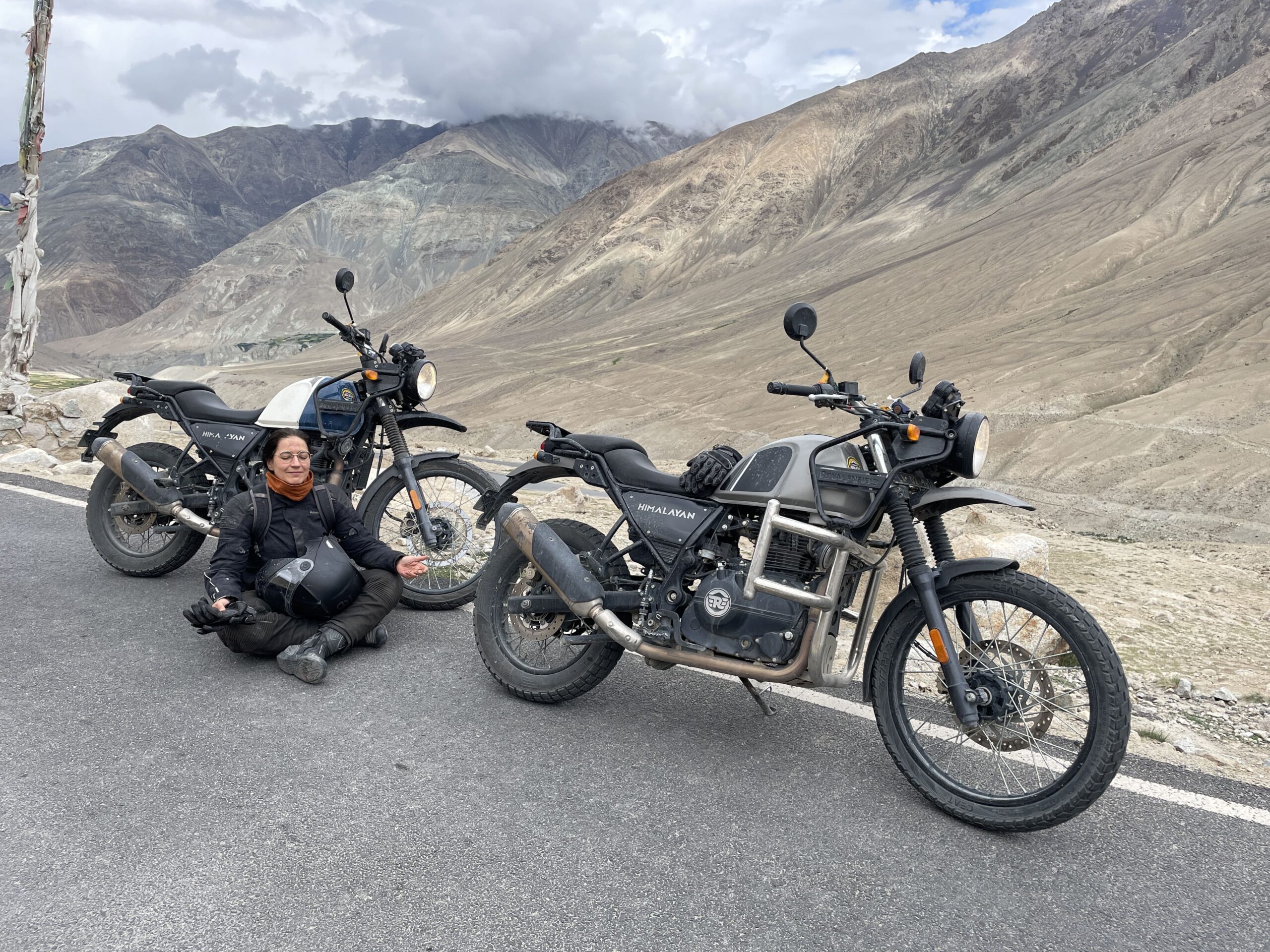
Riding through the Himalayas is an extraordinary experience, but travelling at high altitudes requires proper preparation and awareness.
Acute Mountain Sickness (AMS) can affect anyone travelling to high elevations, regardless of age, physical fitness, or previous riding experience. Symptoms may include headaches, nausea, dizziness, fatigue, and difficulty sleeping.
At OnGo Expeditions, we prioritize rider safety and carefully plan our itineraries to allow time for acclimatization, particularly during the initial days in Leh. However, gradual acclimatization reduces the risk of altitude sickness; it does not eliminate it.
To help you prepare for a safer and more enjoyable Himalayan motorcycle adventure, we recommend following these important guidelines.
Essential High-Altitude Safety Guidelines
1. Maintain a Calm and Positive Attitude
A positive mindset and calm approach can make your Himalayan adventure more enjoyable. High-altitude riding can be physically demanding, so avoid unnecessary stress, overexertion, and rushing.
Listen carefully to your road captain's instructions, ride at a comfortable pace, and communicate openly about how you are feeling.
Remember: A positive attitude is helpful, but it does not prevent altitude sickness. Never ignore symptoms or attempt to push through them.
2. Stay Properly Hydrated
Drink water regularly throughout the day to maintain normal hydration, especially during long motorcycle rides in the dry Himalayan climate.
Carrying a hydration backpack is a convenient way to drink water during designated safe stops.
Avoid dehydration, but do not force yourself to drink excessive amounts of water. Drink according to your needs and monitor your hydration throughout the journey.
3. Consult Your Doctor About Altitude Medication
Before travelling, consult your healthcare provider about altitude sickness prevention, particularly if you have any existing medical conditions or take regular medication.
Diamox (acetazolamide) may help prevent AMS in certain circumstances. However, it should only be taken following appropriate medical advice regarding dosage, suitability, possible side effects, and contraindications.
Do not begin taking altitude medication without consulting a qualified healthcare professional.
4. Eat Balanced, Nutritious Meals
Maintaining a balanced diet helps support your energy levels during high-altitude motorcycle expeditions.
Choose easily digestible meals and include carbohydrate-rich foods, fruits, vegetables, and adequate protein.
Potassium-rich foods such as bananas, potatoes, and avocados can form part of a healthy diet, but they do not specifically prevent altitude sickness.
Avoid excessive alcohol consumption, particularly during acclimatization, as it can interfere with sleep and make altitude-related symptoms more difficult to assess.
5. Oxygen Support During the Expedition
At OnGo Expeditions, we carry supplemental oxygen cylinders as part of our high-altitude emergency support equipment.
Our expedition team monitors riders for signs of altitude-related illness and can assist with emergency oxygen support when necessary.
However, supplemental oxygen is a temporary emergency measure and not a substitute for descending to a lower altitude or obtaining medical treatment.
Always inform your road captain immediately if you experience persistent headaches, nausea, dizziness, unusual fatigue, breathing difficulties, or any other concerning symptoms.
6. Follow the Acclimatization Plan
Our Himalayan motorcycle itineraries include time for acclimatization, particularly during the first two days in Leh.
During this period, we encourage riders to rest, avoid strenuous physical activity, stay adequately hydrated, and allow their bodies to adjust to the reduced oxygen availability.
As the expedition progresses, our team considers road conditions, altitude, weather, and riders' well-being when managing the journey.
Important: Some sections of our expeditions involve rapid altitude changes and extremely high mountain passes. Even with planned acclimatization, altitude sickness remains possible.
7. Recognize the Warning Signs of Altitude Sickness
Recognizing symptoms early is essential for your safety.
Common AMS symptoms include:
- Headache
- Nausea or loss of appetite
- Dizziness or lightheadedness
- Unusual fatigue or weakness
- Difficulty sleeping
If you experience these symptoms, inform your expedition guide immediately. Do not continue ascending while symptomatic.
Severe warning signs include confusion, loss of coordination, difficulty walking, or breathlessness at rest. These may indicate a life-threatening altitude illness requiring immediate descent, emergency medical assistance, and oxygen if available.
8. Listen to Your Body and Avoid Overexertion
High-altitude motorcycle riding requires physical endurance and concentration.
Take regular breaks, avoid unnecessary physical exertion, and ensure you get sufficient rest each night.
Never hesitate to inform your guide if you feel unwell. Your safety is always more important than reaching a mountain pass or completing a particular section of the itinerary.
Our Commitment to Rider Safety
At OnGo Expeditions, your safety and well-being are central to every Himalayan motorcycle adventure.
Our expeditions are supported by experienced road captains, mechanic assistance, backup vehicles, and emergency oxygen equipment. We also incorporate acclimatization time into our itineraries and adapt plans when conditions require it.
Nevertheless, travelling at high altitude carries inherent risks, and no expedition can guarantee the prevention of altitude-related illness.
Our advice: Prepare well, acclimatize carefully, communicate openly with your expedition team, and never ignore warning signs.
Ride responsibly. Respect the altitude. Enjoy the Himalayas.
Medical Disclaimer: This advisory provides general travel health information and does not replace professional medical advice. We strongly recommend consulting a healthcare professional experienced in high-altitude travel before your expedition, particularly if you have a pre-existing medical condition.